Formula 1: The accurate depiction of human nature in the queen of motor racing
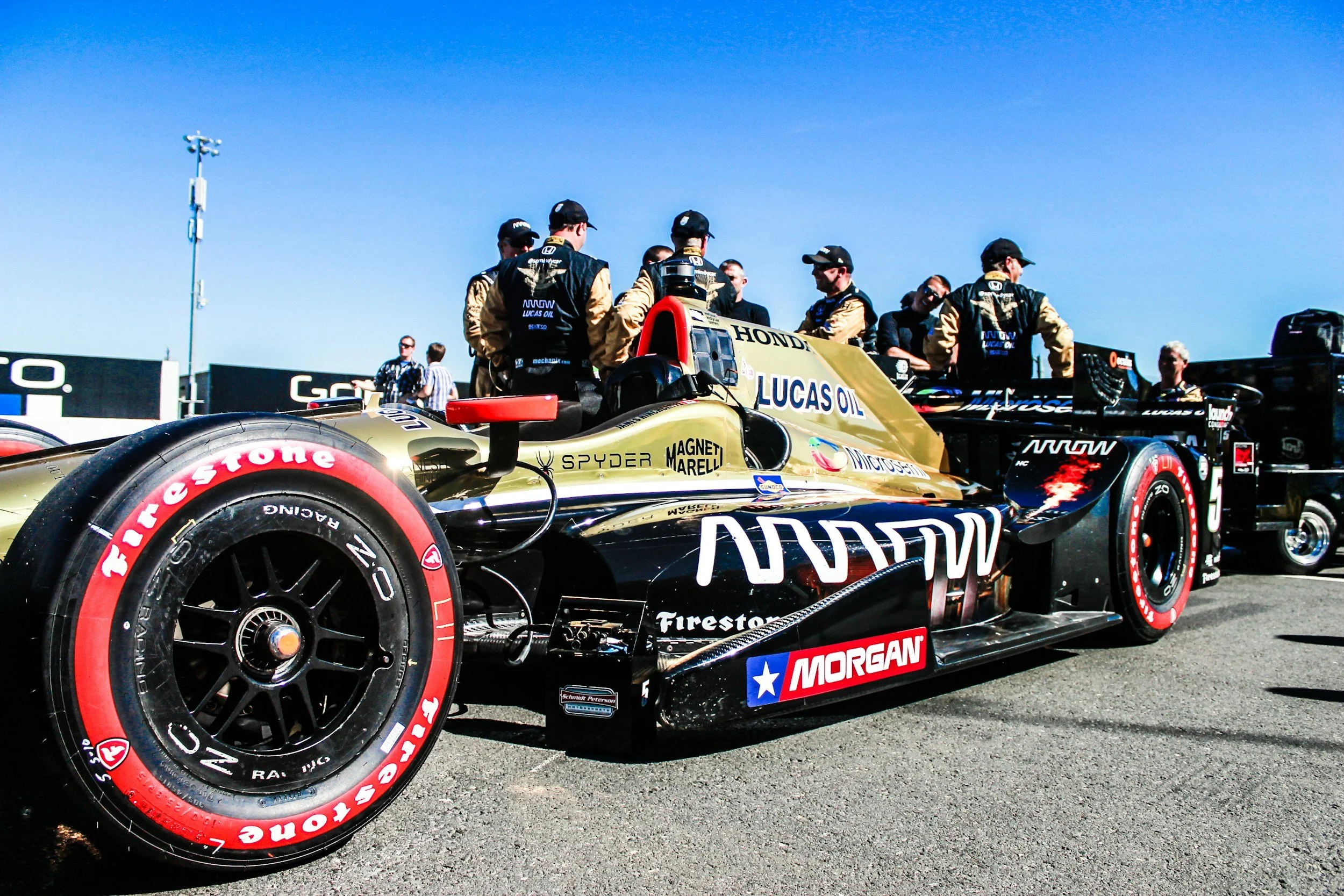
Formula 1 is the most prominent car racing competition in the world with a long history, that began with its inaugural season in 1950. The competition consists of ‘’Grands Prix’' races which take place in various countries across different continents. In the current Formula 1 format, there are 10 teams, each with 2 drivers on the grid. Altogether there are only 20 drivers, 20 drivers have a formula 1 seat from the whole world.
As with any sport, Formula 1 is highly competitive. Formula 1 is the most competitive sport in the world, with only 20 available seats for drivers, costing hundreds of millions of dollars each season. Numerous sponsors are affiliated with the sport, and the reputation of the most famous car brands is at stake. Because of this, Formula 1 provides a true reflection of human nature, demonstrating that humans are doomed to fight but still are essentially cooperative.
The competition was named ‘'formula'' because of the sets of rules that car manufacturers needs to follow. Formula 1 has many complex and strict rules that all competitors must obey but many times, although the rules are often changed during the season. Every year, there is at least one team that finds a way to upgrade their car so dramatically that it gives them a huge advantage. When this happens, most of the teams go to the FIA which is a national motorsport association and appeal to ban this upgrade. The most of the times FIA bans the upgrade so the competition would not be boring to the fans but it shows us that even in a small group of people in highly stressful environment, the cheating emerge.
Tomasello in his work ''Why we Cooperate?'' Argues ‘'Cultures typically tries to promote helpfulness and cooperation in their children through various kinds of social norms: be nice, be helpful, do not lie, share your toys.’’ (Tomasello, p. 25) The author continues to explain that the original function of the social norms is to threaten punishment for violators. ‘'Everything from gossip about reputation to ostracism from the group to death by stoning’’ (Tomasello, p.26) He states that socials norms basically represent perspective and values of the social group but in Formula 1 we can see that people from various culture that are competing under the same set of rules are still trying to cheat, flex the rules and have no second thought about it, only thing they care about is to win.
The history only sees the winners. Even though this is true and on the surface we can see only a fierce competition on the Formula 1 grid, under the surface, cooperation is happening. Of 10 Formula 1 teams, only 4 are manufacturing engines. This creates a huge space for cooperation. As small teams choose they engines providers, big teams are choosing the right teams for cooperation. Big teams choose strategically a small team to which they will sell engine and in an exchange, they will get a valuable informations about their engine.
Sharing informations is one of the main ways of cooperation between human beings. Even in the most stressful and competitive environment, humans lean towards cooperating. But humans are not cooperating from generosity, they cooperate because they know that it will be beneficial for them in the future. We can see this in Formula 1, big teams are not cooperating with the small team from generosity or from financial needs but mainly because of the shared informations on their engines and from getting a strategic partner on the grid. The cooperation finds a ways even in the most competitive arenas.
When there is cooperation, there is fight. During the summer, Formula 1 have a 2 weeks break and this time of the season is also called ‘'Silly season’’. The nickname was given to this break because of the drivers contracts being reviewed and negotiations between drivers and teams are taking place. Drivers either get a new contract from the same team, other team or they do not get any contract and cannot continue in their Formula 1 career. The negotiations tends to be very fierce and many norms are being broken during this period.
The drivers and teams wants to negotiate the best deal by any means necessary. There are some unwritten rules in Formula 1. For example, if you went through a youth drivers academy of the major teams, you should stick with them later in your career. Last summer, driver from Alpine racing academy breached this unwritten rule and signed with their rival team Mclaren. In other example, a driver said to the Alpine team that he will remain with them next season but a week later he signed with Aston Martin team. All of the drivers and teams look for the most beneficial outcomes. Even though drivers and teams are cooperating together, they do not mind breaking rules.
Formula 1 is a beautiful showcase of human nature. It shows you the beauty of cooperation between teams and how people that are competing against each other can still work together. The engine cooperation model is the most fascinating one. Even more fascinating is how the cooperation has an internal fight in it with drivers and teams trying to get the most beneficial outcome and how humans, raised in different cultures and norms still lean towards playing dirty. When human nature faces harsh competitive environment, it leans towards fight but still, make its way through cooperation.
Bibliography:
Tomasello, W. (2009). Why we Coopoerate? MIT Press Books