Formula 1: The accurate depiction of human nature in the queen of motor racing

Samuel Strecha

November 2, 2022

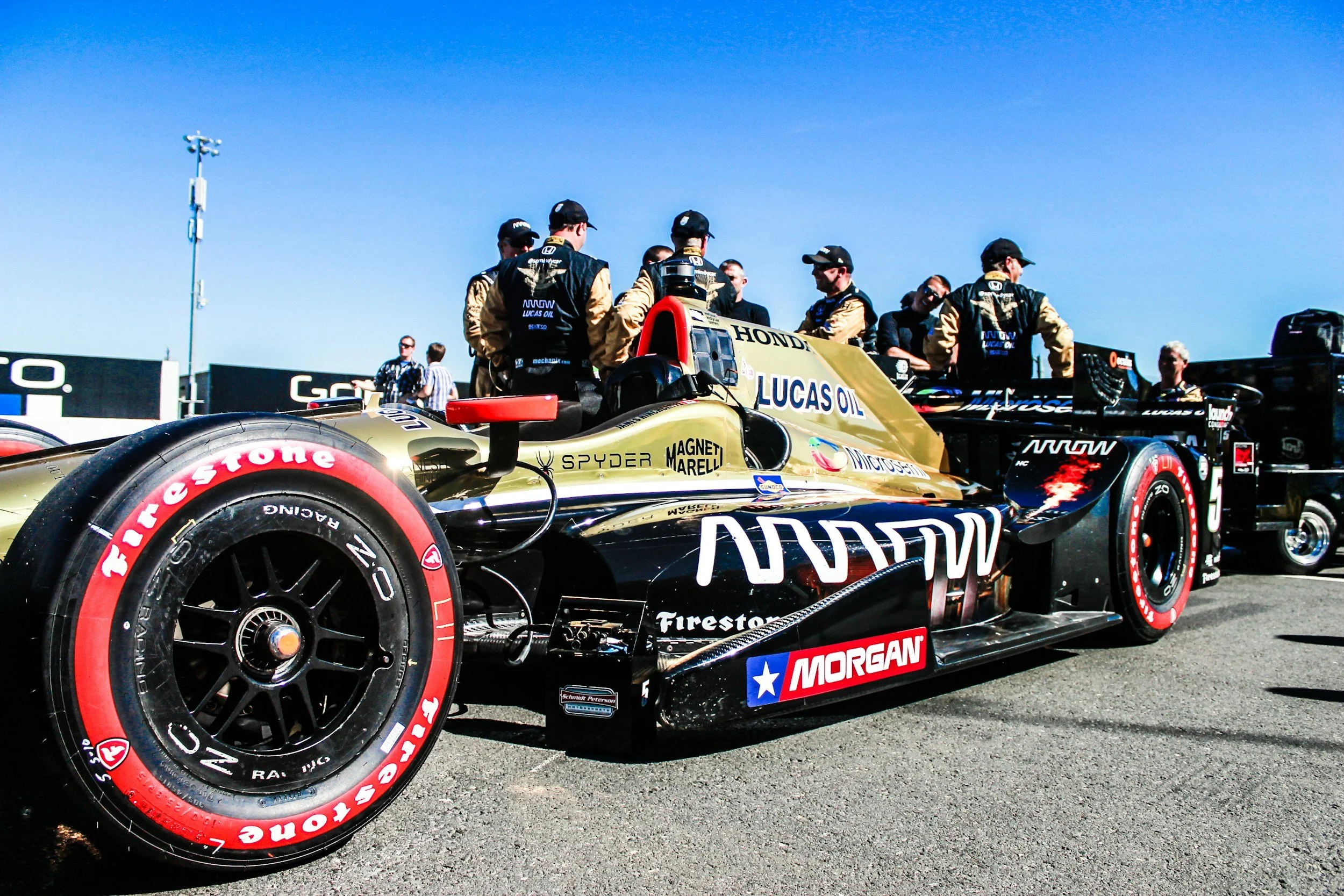
As with any sport, Formula 1 is highly competitive. Formula 1 is the most competitive sport in the world, with only 20 available seats for drivers, costing hundreds of millions of dollars each season. Numerous sponsors are affiliated with the sport, and the reputation of the most famous car brands is at stake. Because of this, Formula 1 provides a true reflection of human nature, demonstrating that humans are doomed to fight but still are essentially cooperative. 

Building Trust in Government through Digitalization

Natália Fáberová / June 05 2022

Excessive bureaucracy and non-efficient public administration are factors that can decrease the quality of democracy. The example of this could be observed for instance in the USA during the registration for election, and then voting itself. In order to avoid this problem, digitalization of the government and public administration could be implemented, replacing the standard bureaucracy, and leading to higher effectiveness. Efficient public administration through digitalization gives people easier access to voting, to effective healthcare or education, prepares for digital change in the workplace due to high digital literacy, or provides means for crisis management. This may be specifically relevant in the current age, where there are emerging new threats to security, for instance the pandemics. In this way, it is possible to argue that there is a link between digitalization, efficient public administration, and thus higher quality of democracy. However, besides the benefits of digital democracy.
The Weimar Republic and Hyperinflation

Max Weber and Viktoria Križanová

It is not uncommon for images of ruin and destitution to show up when discussing the Weimar Republic, especially in regards to the state’s economic woes in its very infancy. Troubled by political instability, an angry public, angrier neighbours and a flawed if not disastrous paradigm of economic examination, the inflation of the mark during the early days of interwar Germany stamped out the legitimacy of the quantitative theory of money and highlighted how expected inflation can severely impact an economy’s price levels and money velocity. The resulting lesson learned (especially for Weimar economists) was that printing money ad infinitum is not possible and that it is preferable to take a stance compliant to paying back debts rather than to be a combative debtor at the cost of your own economy.

On the Laffer Curve

Max Weber

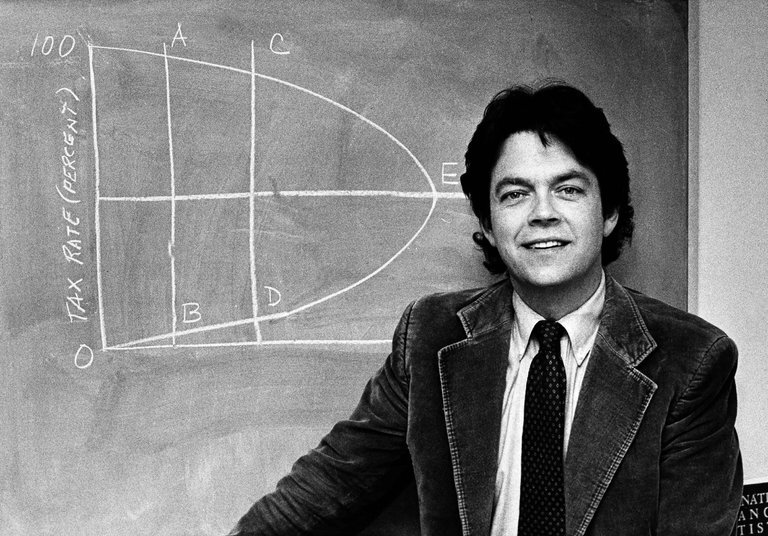
It is perhaps undeniable that the place in the sun that the United States of America enjoy today, as the beneficiaries of a successful economic system that won the Cold War can, at least in part, be owed to the success of the Reagan administration - a regime that placed a strong emphasis on economic deregulation and free markets. One calculation that informed the policy of tax cuts that defined the Republican Party ever since Reagan took office was that of the Laffer Curve, which stipulates that progressive taxation ad infinitum is a bad policy as once taxation exceeds an optimal rate, increasing rates of taxation decreases government revenue and ergo creates a loose-loose policy for both businessmen and the government.

Immanuel Kant and the ‘Hammer of Reason’

Alex Nemec

What is justice? What is goodness? What is morality? These may sound like fairly easy and straightforward questions; ones that if you were to ask any stranger on a street, they would most likely happily give you their account of any of these concepts, calmly claiming they got it all figured out. However, come with these questions to any ‘subject of the goddess Philosophy’ and you are likely to see them either refuse to talk to you or run away screaming (Try it, it is a fun activity for boring weekends!). The reason for this is simple: each of these questions forces hours-long discussions forces you down the same road as thousands before you walked only to lead you to a place called “I only know that I know nothing”. Consequently, philosophers started to lose hope in finding any particular answer to these age-old questions, and began to claim that there is no ‘goodness as such, justice as such, or morality as such’. It all depends on circumstances; depends on the effect of an action, and every time one tries to force these concepts out of the hands of God and keep them among human beings - tied to a fence as one would keep a horse for it to not run away - they slip away, like an eel out of the hands of a fisherman, and race back to their place outside of our reality; leaving behind a void in its place and clueless people of the earth with their shallow understanding of reality.

Conformity to survive

Anna Vasilenka

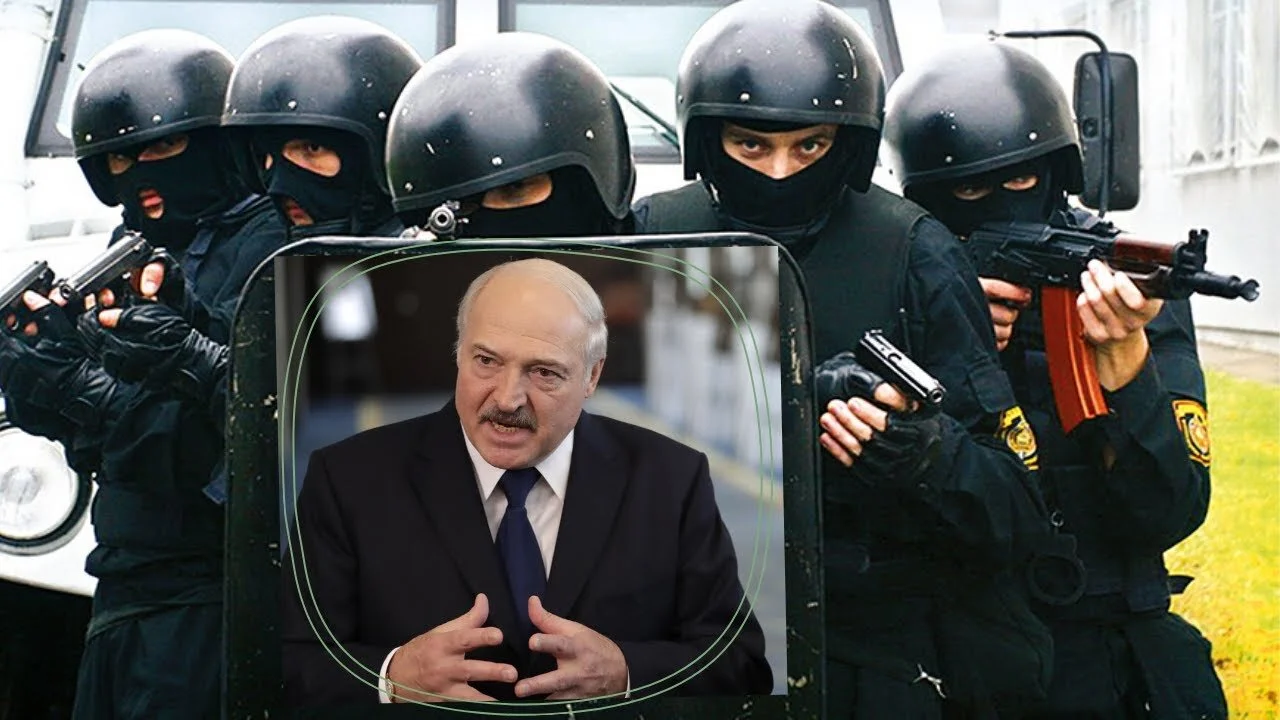
People are wired for empathy and collaboration, but not for long under pressure. Personal socialization and special circumstances may turn a well-behaved person respecting human lives into a wild tyrant. I want to understand the brutal violence of riot police during the first days of protests. The easy answer to brutality can be “it is just an authoritarian regime”, but what stands behind people’s actions? Why did riot police torture and dehumanize civilians without being ordered to do so? Why did judges sentence people for years for no reason?

The problem of Free Will in Machiavelli’s The Prince

Alex Nemec

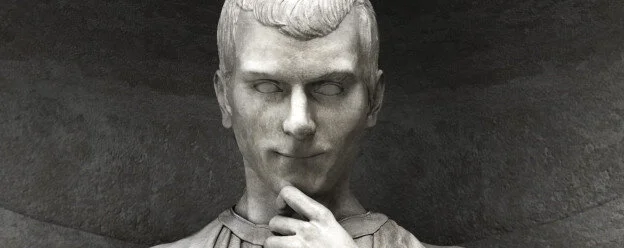
Free will, as a concept, haunts philosophers, and surely some other people who actually care about these kinds of things for a good amount of time now (let’s say ever since we became conscious of our own existence?). Niccolo Machiavelli, sixteenth-century political scientist and to some extent a Philosopher, in his most famous piece of writing, The Prince, which can be summarized as a practical guide for at the time current and future rulers (possibly even for ours) based on Machiavelli’s empirical observations of his time in Italy, and his extensive studies of history. In this highly practical book, Machiavelli, of course, attempts to present his understanding of a highly unpractical concept of free will and whether we, human beings, have it.